
Sensory Processing Disorder (SPD)
Sensory Processing Disorder (SPD) refers to difficulties with how the nervous system receives, organizes, and responds to sensory information. Children may experience heightened sensory sensitivities, seek additional sensory input, or respond differently to everyday sensory experiences.
Our individualized occupational therapy services support each child’s unique sensory needs through therapeutic activities, environmental accommodations, and personalized regulation strategies that promote comfort, confidence, and meaningful participation in everyday life.
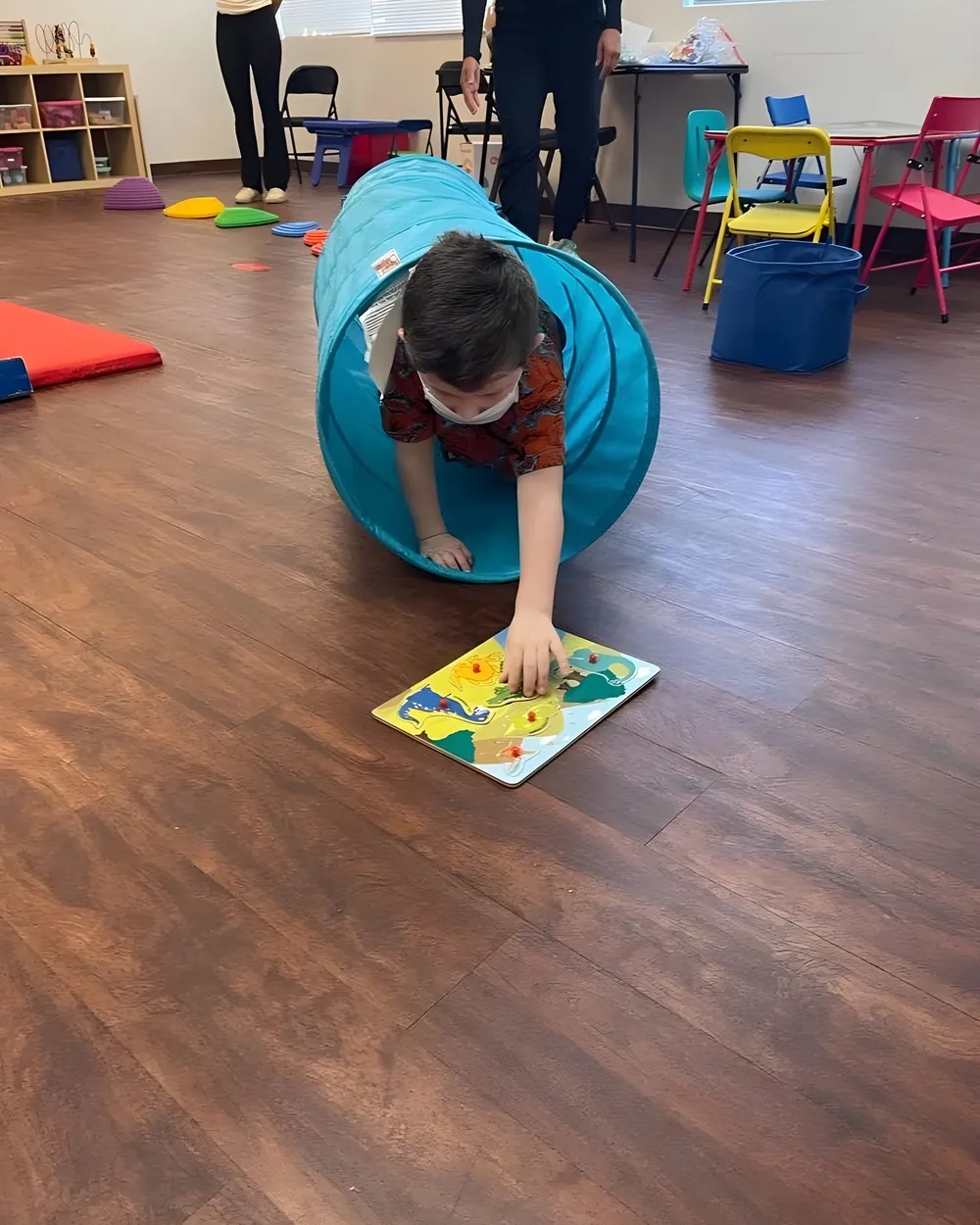
Understanding Different Sensory Responses
Children experience sensory information in different ways. Some may be more sensitive to certain sensory experiences, while others may seek additional input or have reduced awareness of sensory information.
A child may experience a combination of these sensory responses, which can vary depending on the environment, activity, or sensory system. Our occupational therapists help children and families understand their individual sensory profiles and develop supportive strategies that promote comfort, regulation, and meaningful participation.
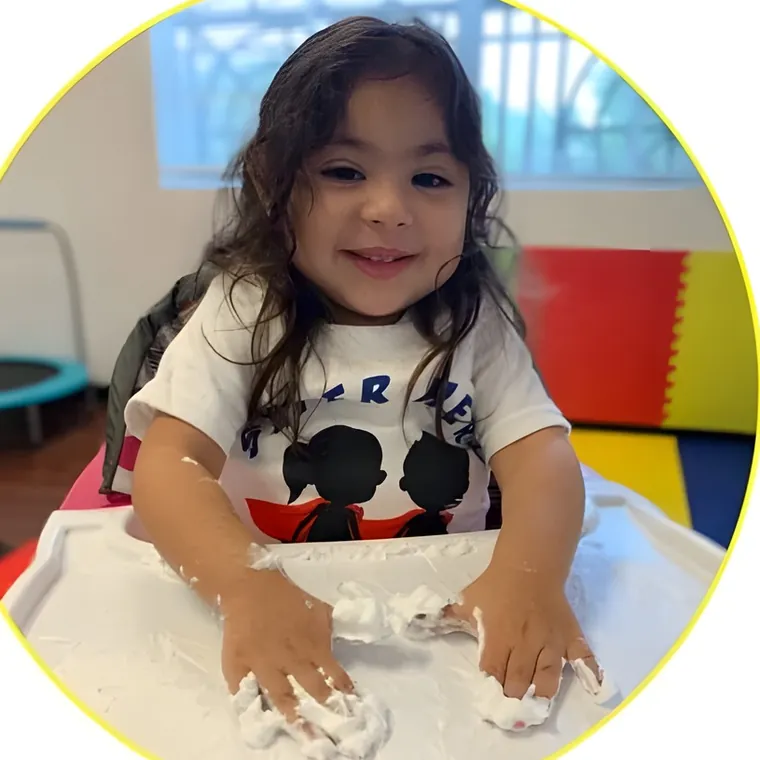
Purposeful Sensory Play
Through engaging, play-based activities involving materials such as sand, shaving foam, and slime, our occupational therapists create opportunities for children to explore a variety of sensory experiences. Activities are introduced gradually and respectfully, honoring each child’s sensory preferences, comfort level, and readiness while encouraging exploration, confidence, and self-regulation.
In Our Sensory Gym
Swings
Support regulation and body awareness.
Crash Pad
Safe deep-pressure input.
Trampoline
Balance and strength.
Services That Support This
Ready when you are.
Contact our office or start online. Our team will guide you through every step.