
ADHD, ADD & AuDHD
Every child processes information, regulates attention, and experiences their environment differently. Our individualized, neurodiversity-affirming approach supports children with ADHD, ADD, and co-occurring autism and ADHD (AuDHD).
Through speech therapy, occupational therapy, and ABA therapy when appropriate, we support executive functioning, self-regulation, communication, attention, and meaningful engagement in everyday activities while respecting each child’s unique strengths, sensory needs, and learning style.
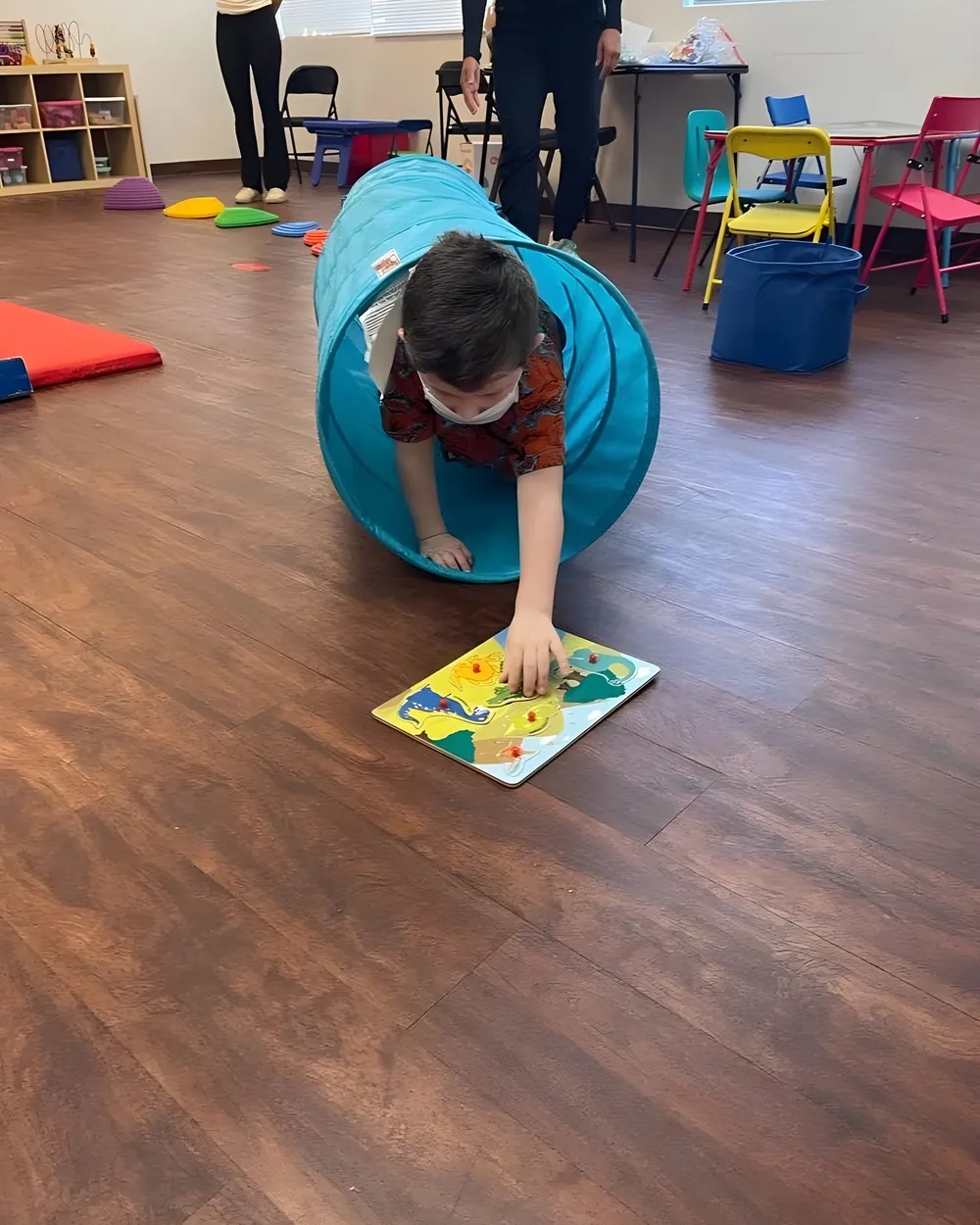
The Connection Between Sensory Processing and Attention
Children experience and respond to sensory information in different ways. Some may seek additional movement or sensory input to support engagement, while others may benefit from quieter environments or reduced sensory stimulation.
Our occupational therapists help children understand their unique sensory needs and develop individualized strategies to support self-regulation, executive functioning, attention, and meaningful participation. Through purposeful movement and therapeutic activities in our sensory gym, we provide opportunities for children to explore sensory experiences in a supportive and engaging environment.
Our goal is to help children discover what works best for their bodies and minds, rather than expecting them to conform to a particular way of learning or engaging.
Areas Where Additional Support May Be Beneficial
Children with ADHD, ADD, and AuDHD may benefit from individualized therapeutic support in the following areas:
- Attention & Engagement: Maintaining engagement during learning, play, and daily routines.
- Executive Functioning: Planning, organizing, initiating tasks, and managing time.
- Working Memory: Remembering information and completing multistep activities.
- Impulse Regulation: Navigating impulses and developing self-regulation strategies.
- Social Communication: Participating in conversations, expressing needs, and navigating social interactions.
- Sensory Processing: Understanding individual sensory preferences and movement needs.
- Emotional Regulation: Recognizing emotions and developing personalized coping strategies.
- Transitions & Flexibility: Navigating changes in routines, activities, and expectations.
- Self-Advocacy & Independence: Identifying personal needs, requesting accommodations, and developing confidence in everyday activities.
Our approach celebrates neurodiversity while providing individualized strategies that support each child’s well-being, autonomy, and meaningful participation.
How Each Therapy Supports Your Child
OT
Sensory regulation, attention, and fine motor skills.
Speech
Listening comprehension, following directions, and conversation skills.
ABA
Routines, transitions, and self-regulation strategies.
Services That Support This
Ready when you are.
Contact our office or start online. Our team will guide you through every step.