Swallowing Difficulties (Dysphagia)
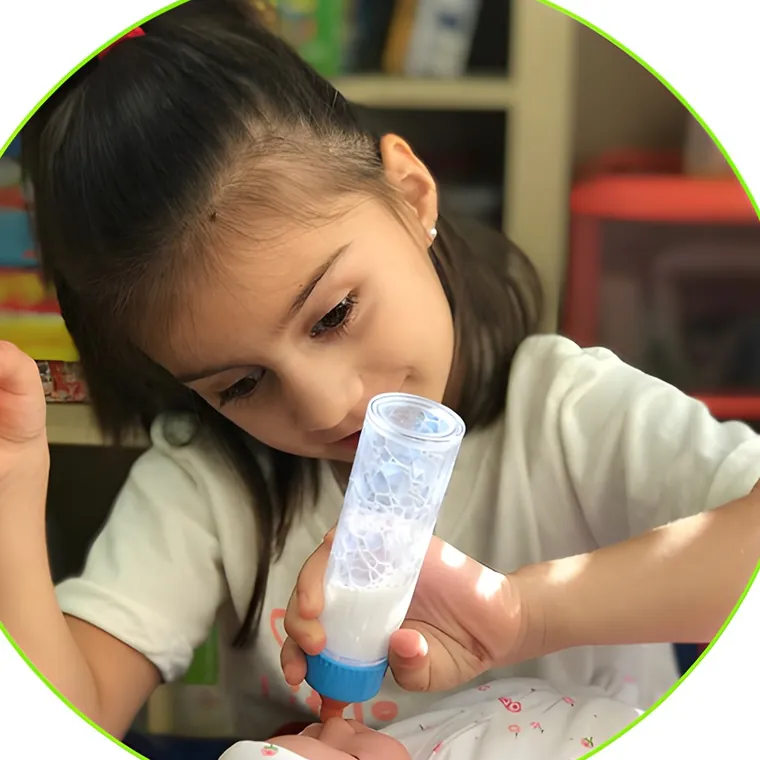
Swallowing difficulties may affect a child’s ability to safely and effectively suck, chew, and swallow foods and liquids. Our speech-language pathologists and occupational therapists provide individualized feeding and swallowing support to address each child’s unique needs, promote safe and efficient feeding, and foster comfortable, positive mealtime experiences.
The Three Phases of Swallowing
- Oral Phase (Mouth) Food and liquids are taken into the mouth, prepared through sucking or chewing, and moved toward the back of the throat.
- Pharyngeal Phase (Throat) The swallowing reflex is triggered, and the airway is protected as food and liquids pass from the throat into the esophagus.
- Esophageal Phase (Esophagus) Muscle contractions move food and liquids through the esophagus and into the stomach.
Signs of Swallowing Difficulties
A feeding and swallowing evaluation may be recommended if your child experiences:
- Frequent coughing, choking, or gagging while eating or drinking.
- A wet or gurgly vocal quality during or after meals.
- Food or liquids passing through the nose during feeding.
- Difficulty chewing or managing food within the mouth.
- Increased effort or fatigue during feeding.
- Recurrent respiratory infections or unexplained respiratory congestion.
- Prolonged mealtimes or difficulty consuming adequate amounts of food and liquids.
- Difficulty maintaining expected growth and weight gain.
Early identification of swallowing difficulties is important for supporting feeding safety, adequate nutrition, hydration, and overall well-being.
If you have concerns about your child’s swallowing safety, we encourage you to consult with your child’s pediatrician and a speech-language pathologist specializing in feeding and swallowing disorders.
The Importance of Early Feeding and Swallowing Support
Swallowing difficulties can impact a child’s nutritional intake, hydration, growth, respiratory health, and overall well-being. Early identification and appropriate intervention can help address feeding and swallowing concerns while promoting safer, more comfortable mealtime experiences.
If you have concerns about your child’s swallowing safety, including frequent coughing or choking during meals, we encourage you to consult with your child’s pediatrician and a speech-language pathologist specializing in feeding and swallowing disorders. Our team is here to provide individualized support and guidance throughout the therapeutic process.
Services That Support This
Ready when you are.
Contact our office or start online. Our team will guide you through every step.